Key takeaways
- Roaches arrive on boxes, bags and through plumbing and gaps.
- German roaches live indoors and reproduce quickly.
- Gel baits and targeted treatments work better than sprays.
- Sanitation and sealing keep them from coming back.
How roaches get in
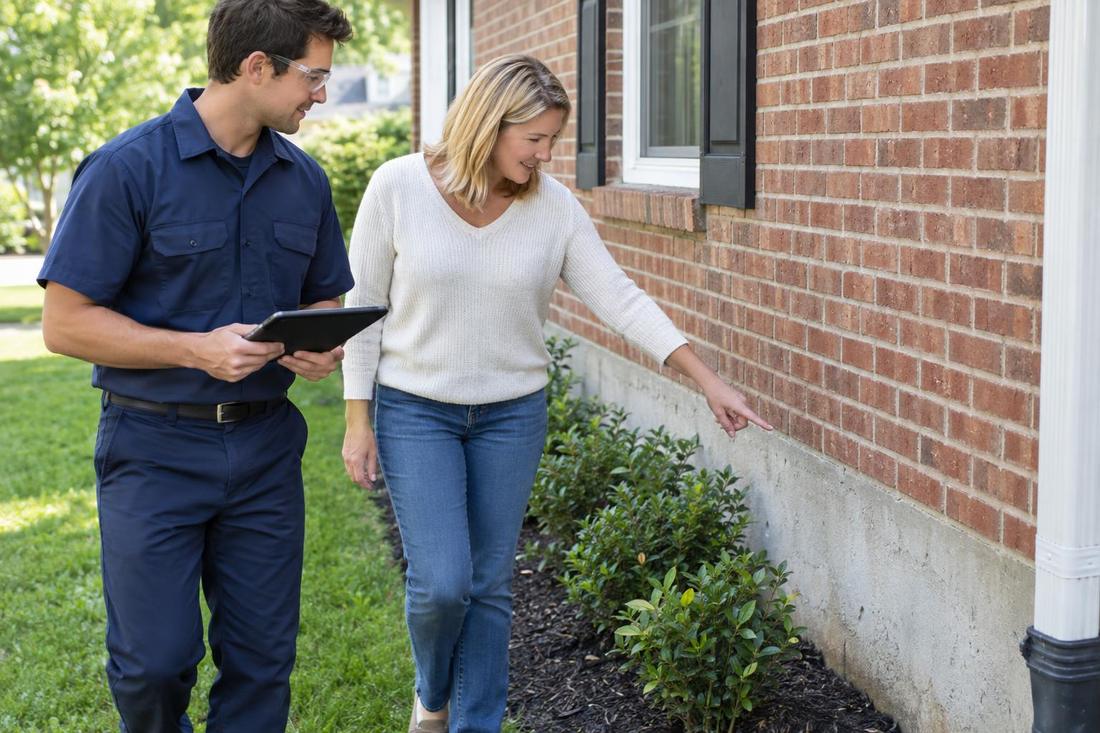
German roaches hitchhike in grocery bags, boxes, used appliances and luggage. American and smokybrown roaches enter from sewers, crawl spaces and gaps and are drawn by moisture. Neighbors in multi-unit buildings can be a source too.
Roaches are not a sign of poor housekeeping.
Where they hide
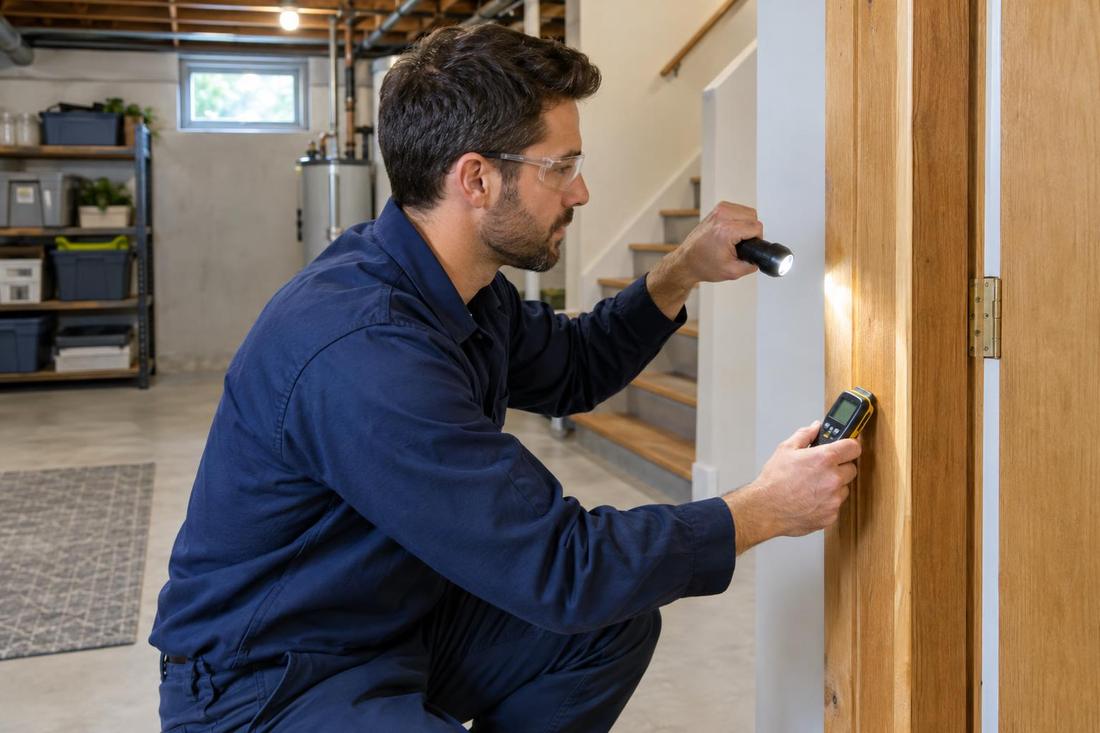
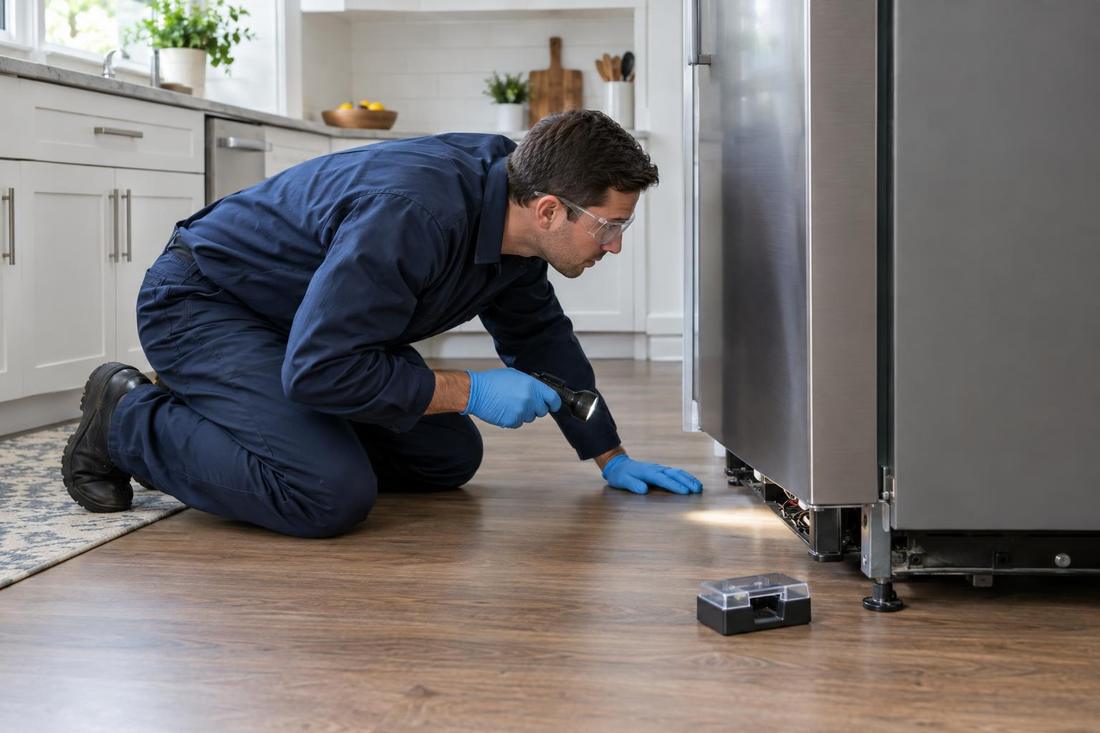
Roaches hide in cracks near warmth, food and water: behind refrigerators, under sinks, inside appliances, in cabinet hinges and in drains. They are active at night. Seeing one in daylight often means a large population.
Use a flashlight to check hiding places.
Treatments that work
Gel baits placed in cracks and crevices are very effective, along with growth regulators and targeted treatments. Over-the-counter sprays often scatter roaches and make baits less effective. Professionals use a plan that fits the species.
Follow-up visits catch hatching eggs.
Keep them from returning
Store food in sealed containers, fix leaks, clean grease and crumbs, take out trash daily and seal gaps around pipes. In apartments, coordinate with neighbors and management so the whole building is treated.
Check bags and boxes before bringing them in.
Official sources and further reading
- U.S. EPA: Integrated Pest Management
- University of Tennessee Extension
- National Pest Management Association
These are independent organizations. Links open in a new tab.
Quick answers
Are roaches dangerous?
They can trigger allergies and asthma and spread germs. Controlling them is important.
Why do I see roaches after treatment?
Treatment draws them out. Seeing a few is normal, and follow-up visits clear the rest.