Key takeaways
- Confirm the bugs before treating: look for bugs, shed skins and dark spots.
- Do not move items between rooms and do not throw out furniture hastily.
- Wash and dry bedding on high heat and bag it.
- Professional treatment and follow-up are usually needed.
Confirm the problem
Bed bugs are flat, reddish-brown and about the size of an apple seed. Look in mattress seams, bed frames, headboards and baseboards for bugs, shed skins, tiny eggs and dark spots. Bites alone do not confirm bed bugs.
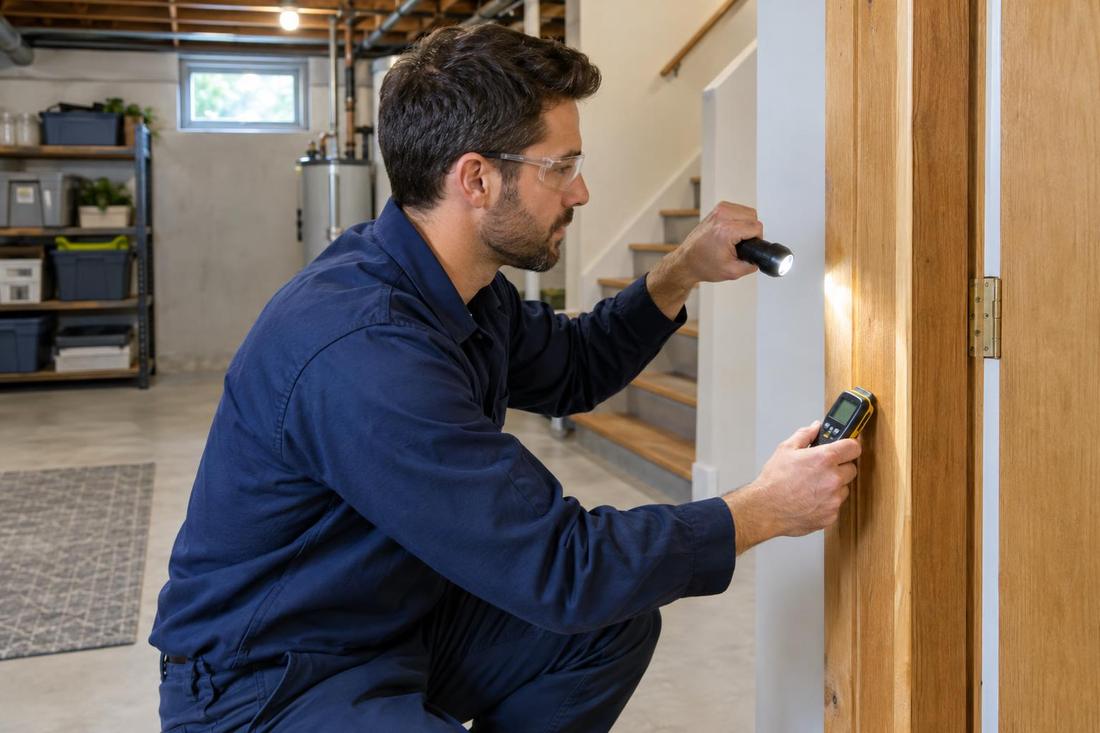
A professional inspection is the surest way.
Avoid spreading them
Do not move items to other rooms, do not sleep on the couch and do not buy foggers or toss furniture without a plan. Seal clothing and bedding in plastic bags before washing. Vacuum thoroughly and empty the vacuum outside.
Keep luggage off beds when traveling.
Heat and cleaning
Wash and dry bedding and clothing on high heat for at least thirty minutes. Mattress and box spring encasements trap bugs. These steps help but rarely end an infestation on their own.
The U.S. EPA has guidance on bed bugs.
Professional treatment
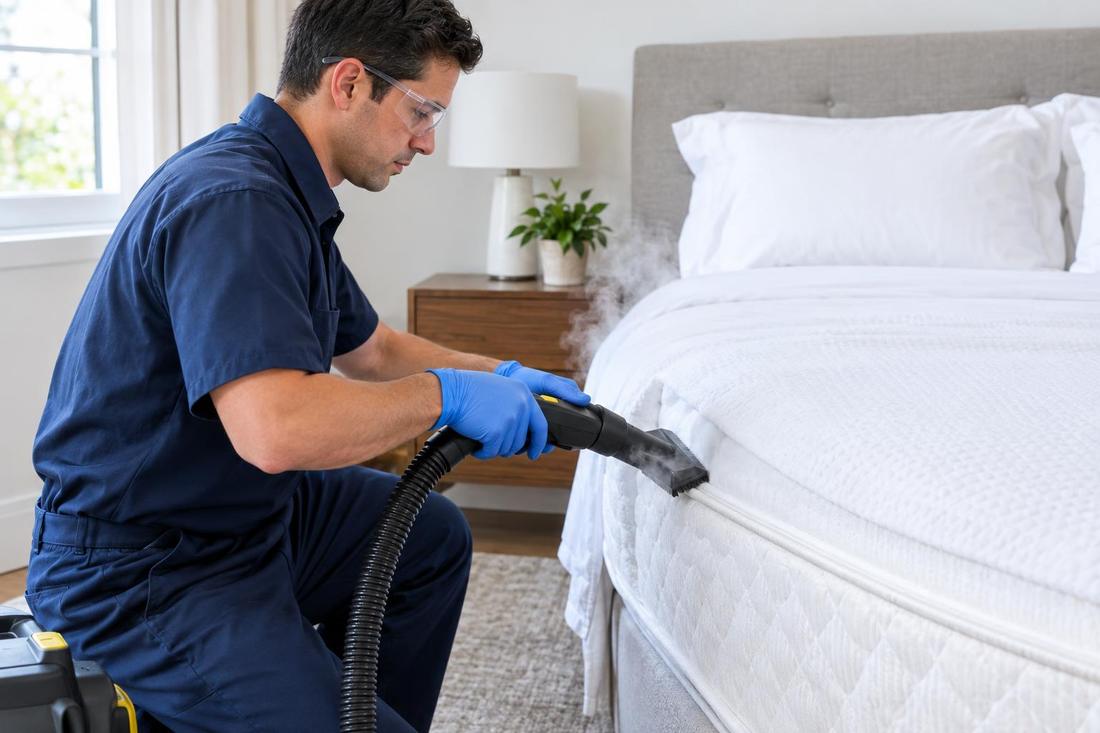
A professional inspects every room, explains preparation, treats with targeted products, steam or heat and returns for follow-up since eggs hatch later. In apartments, notify management so neighbors are treated too.
Treatment usually takes several weeks.
Official sources and further reading
These are independent organizations. Links open in a new tab.
Quick answers
Do bed bugs mean my home is dirty?
No. They hitchhike on luggage, clothes and furniture.
Should I throw out my mattress?
Usually not. Encasements and treatment can save it.