Key takeaways
- A wood-destroying insect inspection is part of many home sales.
- It covers accessible areas for termites, carpenter ants, bees and beetles.
- Findings do not always kill a deal; treatment and repairs can be negotiated.
- Ask for photos and keep the report with your closing documents.
What the inspection covers
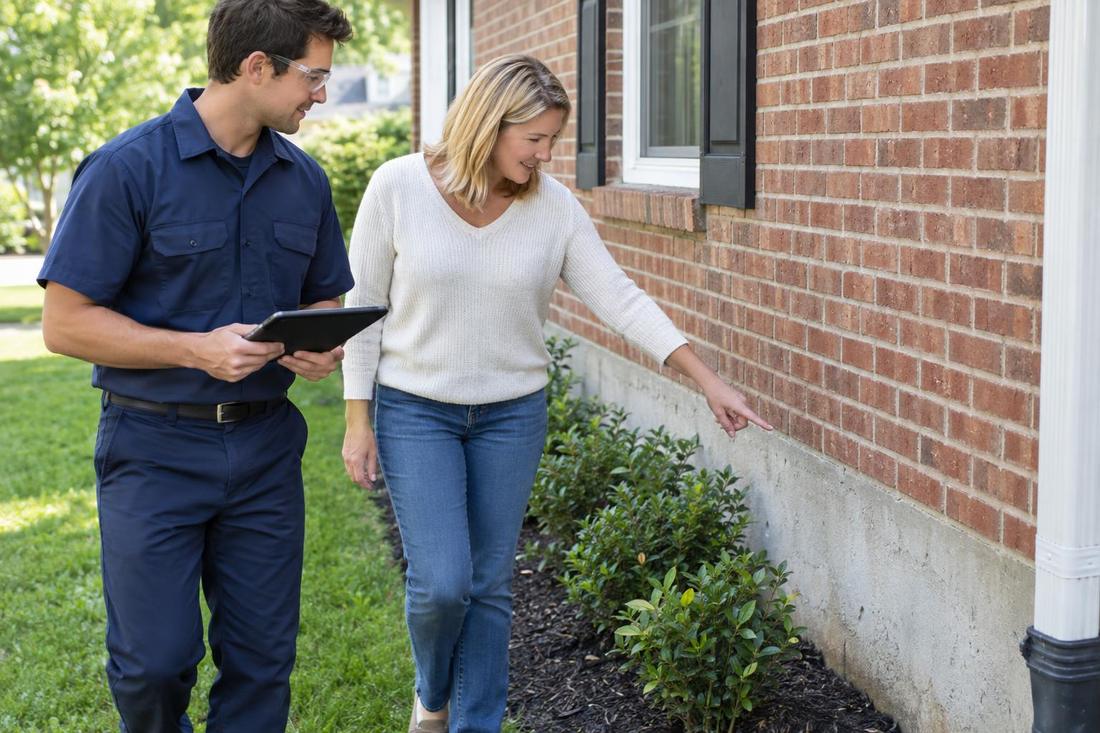
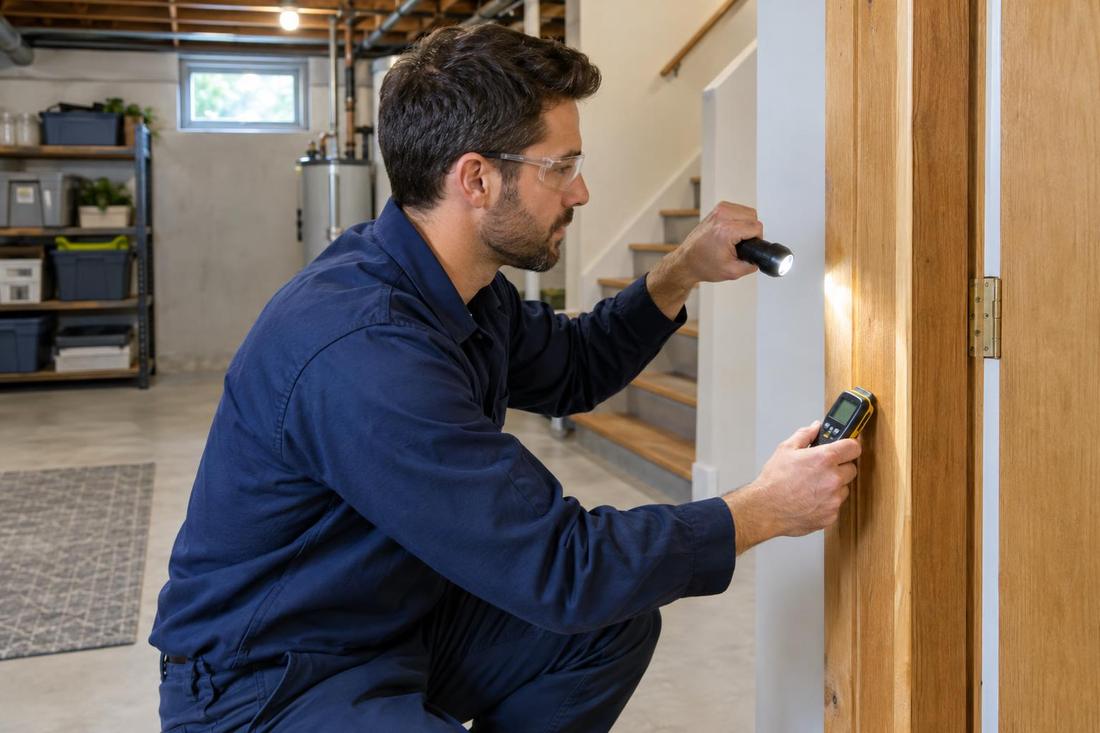
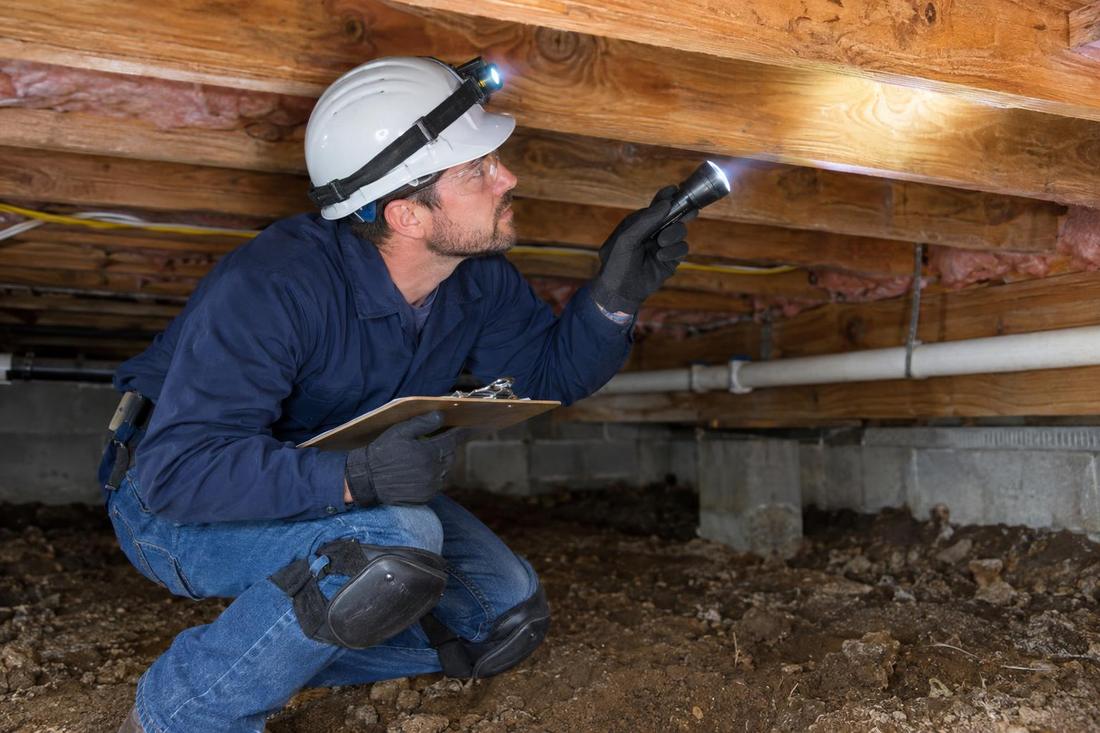
An inspector checks accessible areas: crawl space, basement, attic, exterior walls, porches and outbuildings. They look for active insects, evidence of past activity, damage and moisture conditions. Hidden areas behind finished walls may not be accessible.
The report notes limits of the inspection.
Reading the report
The report will say whether signs of active or past infestation were found, where and whether damage is visible. Past treatment records may be noted. Ask the inspector to explain anything unclear and to share photos.
A treated home can still need monitoring.
If activity is found
Active termites are common and treatable. Buyers and sellers often negotiate treatment and repair of damage before closing. A treatment plan and, if needed, a structural review by a contractor help everyone decide.
Your agent can help with next steps.
After you move in
Ask for the treatment records, set a yearly inspection reminder and fix moisture problems like leaks and poor drainage. If the home has a transferable plan, learn what it covers.
Protect your investment with regular checks.
Official sources and further reading
These are independent organizations. Links open in a new tab.
Quick answers
How much notice do you need?
Share your closing date as early as possible so inspection can be scheduled.
Is the inspection only for termites?
It also covers carpenter ants, carpenter bees and wood-boring beetles.