Key takeaways
- Tell your technician about every pet and any health concerns.
- Keep pets away from treated areas until they are dry.
- Ask about baits, traps and low-impact options.
- Cover or move fish tanks and bird cages before indoor treatment.
Tell us about your pets
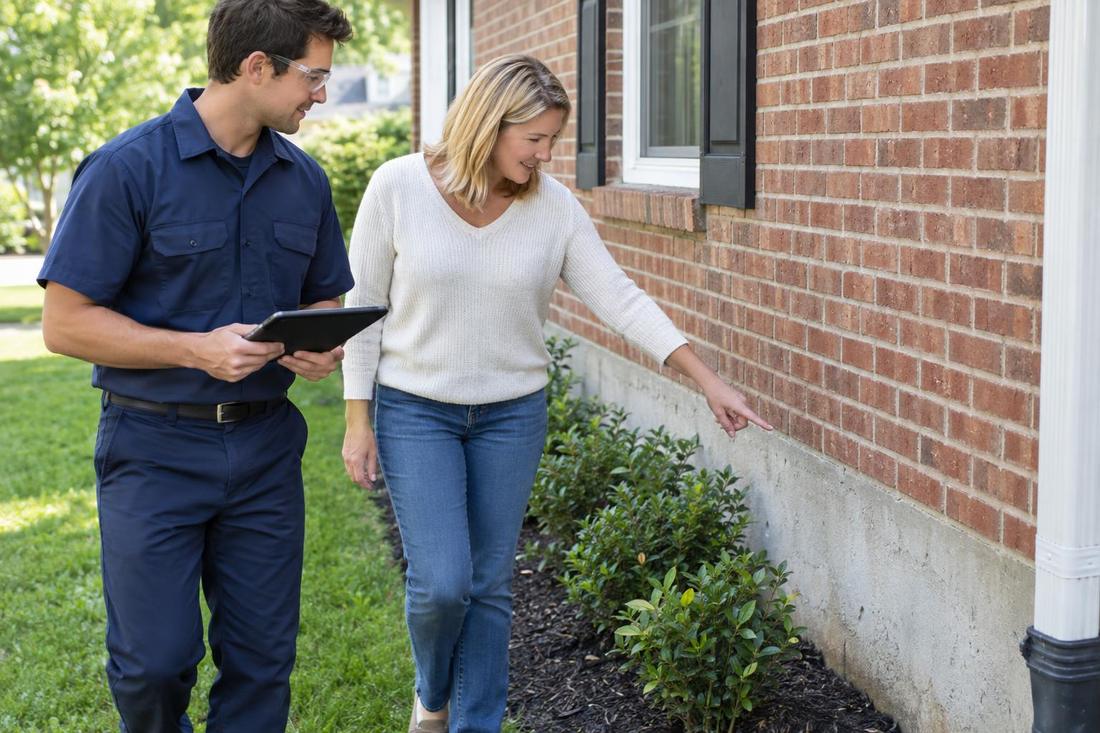
Dogs, cats, birds, reptiles, rabbits and fish all react differently. Tell the technician about every animal, and any health issues. They can choose methods and products with pets in mind and explain where pets can and cannot go.
Leave a note if you will not be home.
Keep pets away until dry
Treated areas should dry before pets return. For exterior treatments, keep pets inside until lawns and mulch dry. For interior treatments, follow the technician’s timing. Keep leashed pets off treated edges while walking.
Dry time depends on weather and product.
Low-impact options
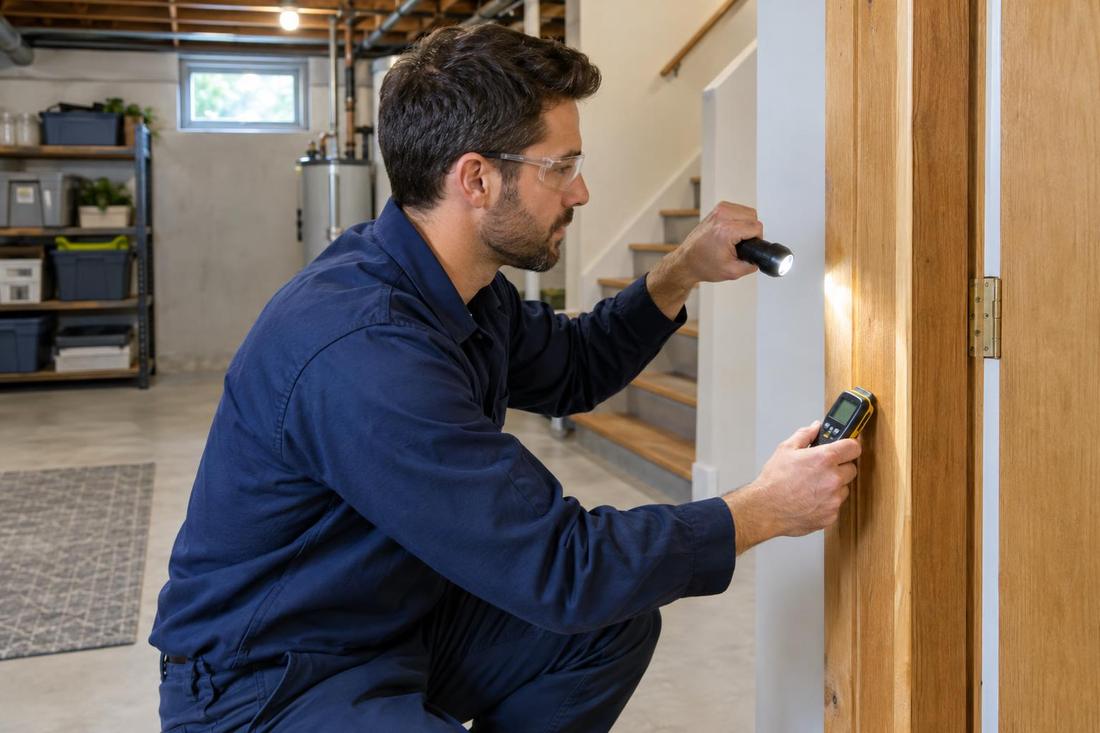
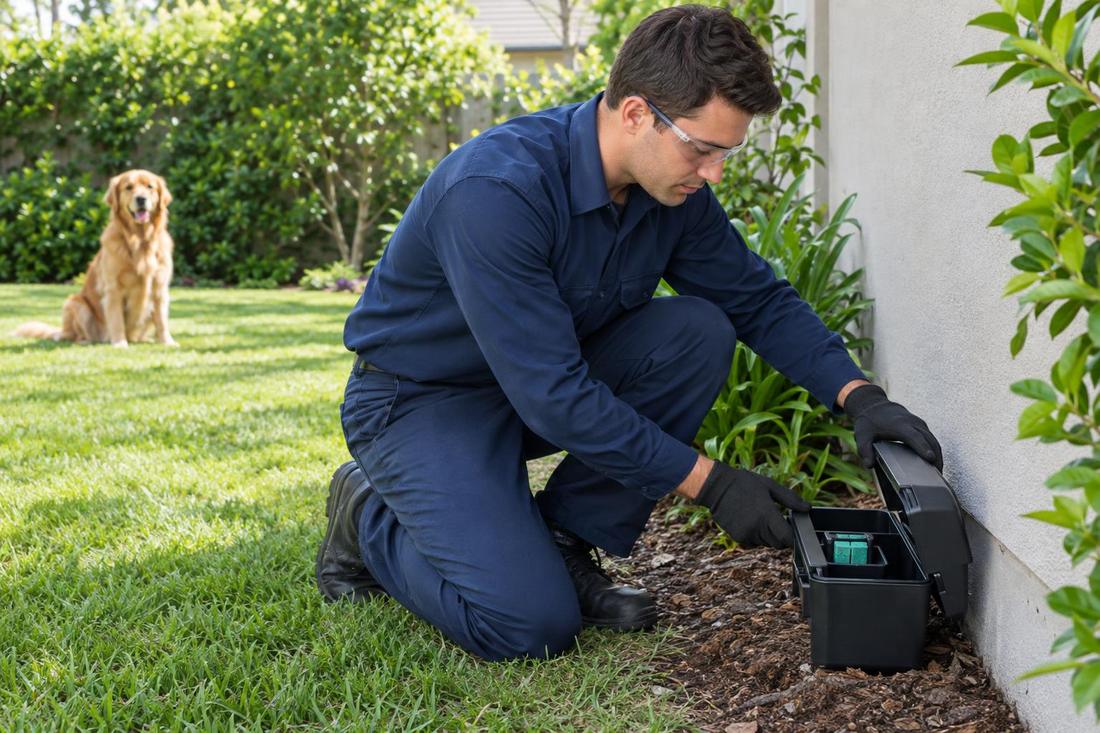
Prevention first often means fewer products: seal gaps, fix moisture, clean up food and use baits and traps in places pets cannot reach. Tamper-resistant stations protect pets when baits are needed.
Ask about integrated pest management.
Fleas, ticks and your vet
Treating the yard and home helps with fleas and ticks, but your pet needs protection too. Talk to your vet about flea and tick prevention. Combined treatment is the most effective.
Check pets for ticks after outdoor time.
Official sources and further reading
These are independent organizations. Links open in a new tab.
Quick answers
Are pest control products safe for pets?
Products are used by label and dry before pets return. Tell us about your pets so we can plan carefully.
Can I keep my fish tank running?
Cover tanks and turn off air pumps during indoor treatment if asked.